


Frailea is a genus of cactus that belongs to the family Cactaceae. The genus is native to South America, and its plants are known for their beautiful flowers and small, globular growth habit. There are around 40 species of Frailea, which are distributed in the arid regions of Brazil, Argentina, Paraguay, and Uruguay.
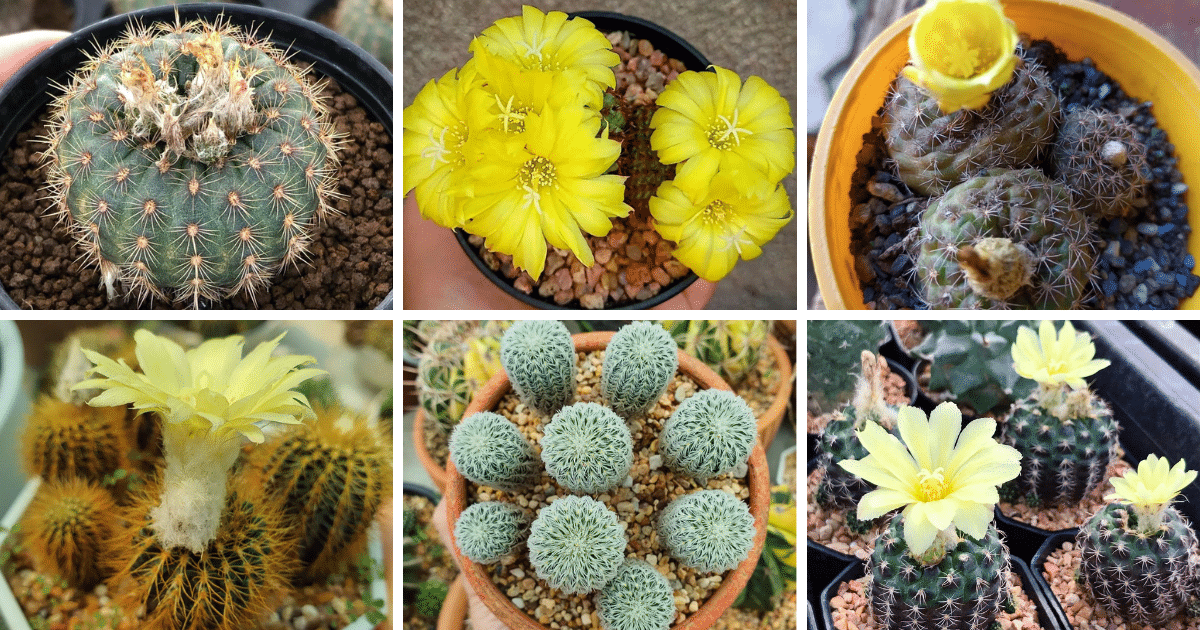
Frailea cacti are small, slow-growing plants that typically reach a height of 5–15 centimeters. They have a globular or cylindrical shape with a diameter of 2–10 centimeters. The stem of Frailea is divided into segments, which are covered with small, spine-like projections called areoles. The areoles produce flowers, which are typically 2–3 centimeters in diameter and can be white, yellow, pink, or red.

Frailea cacti are adapted to the arid conditions of their native habitat. They have a thick, waxy outer layer on their stems, which helps to prevent water loss. They also have a shallow root system that enables them to quickly absorb any available moisture. Frailea cacti typically grow in sandy or rocky soils, often in areas with little to no shade.
In cultivation, Frailea cacti are popular among collectors because of their small size and attractive flowers. They are relatively easy to care for, requiring a well-draining soil mix and infrequent watering. Frailea cacti prefer bright, indirect light and can tolerate temperatures between 10 and 30°C.

One of the best-known species of Frailea is Frailea mammifera, which is sometimes referred to as the “Nipple Cactus.” This species is native to Brazil and is known for its distinctive tubercles, which resemble the shape of a nipple. Frailea mammifera produces small, pink flowers that bloom in the summer.
Another popular species of Frailea is Frailea pumila, which is native to Argentina and Uruguay. This species is known for its compact growth habit and beautiful pink flowers. Frailea pumila is often grown in small pots or terrariums, where it can be appreciated up close.
In conclusion, Frailea is a genus of small, slow-growing cacti that are known for their attractive flowers and globular growth habit. These plants are adapted to the arid conditions of their native habitat and are relatively easy to care for in cultivation. With their unique shapes and vibrant colors, Frailea cacti are sure to be a prized addition to any cactus collection.
Here are the 12 Popular Types Of Frailea Pictorial Guide:
- Frailea Albicolumnaris
- Frailea Asterioides
- Frailea Buenekeri
- Frailea Castanea
- Frailea Cataphracta
- Frailea Chiquitana
- Frailea Grahliana
- Frailea Mammifera
- Frailea Phaeodisca
- Frailea Pumila
- Frailea Pygmaea
- Frailea Schilinzkyana
- How To Grow And Care For Frailea
- How To Propagate Frailea
- Top 5 FAQ And Answers For Frailea
- Top 10 Interesting Facts About Frailea
Frailea Albicolumnaris

Frailea Albicolumnaris is a species of small, spherical cactus native to Argentina. It has a distinctive appearance, with a light green body covered in white spines and a small, bright yellow flower that blooms in the summer. This cactus is relatively easy to care for and makes a great addition to a collection of succulents or desert plants.
Frailea Asterioides
Frailea Asterioides is a small cactus species native to South America, particularly Brazil, Uruguay, and Argentina. It grows in clusters of small globular stems with a diameter of 2-4 cm and has a gray-green color. The cactus produces small, bright yellow flowers that bloom in summer, followed by reddish fruits. It is a popular species among cactus collectors and enthusiasts due to its compact size and unique appearance.

Frailea Buenekeri

Frailea Buenekeri is a small cactus species that is native to Brazil. It is a highly sought-after plant for cactus enthusiasts due to its unique shape and striking bright pink flowers. The plant is a globular cactus with small, spine-covered stems that can grow up to 5 cm in diameter. Frailea buenekeri is relatively easy to care for and prefers well-draining soil, plenty of sunlight, and infrequent watering.
Frailea Castanea
Frailea Castanea is a species of cactus native to Brazil and Uruguay. It is a small, spherical cactus with a dark green body and numerous spines. Its flowers are yellow and appear in the summer months. Frailea Castanea is commonly grown as an ornamental plant and is known for its hardiness and ease of care.
Frailea Cataphracta
Frailea Cataphracta is a small cactus species that is native to Argentina. It is a slow-growing and low-maintenance plant that typically grows in clumps and produces pink or purple flowers. Its distinctive feature is its tubercles, which are covered with white hairs and give the plant a unique texture. Frailea Cataphracta is popular among cactus collectors and is often grown in small pots or containers.
Frailea Chiquitana
Frailea Chiquitana is a small species of cactus native to Bolivia, with a round and flattened shape and a diameter of up to 3 cm. It has a greenish-grey color and is covered in fine white spines. This cactus is highly valued by collectors due to its attractive appearance and ease of care. It is also known for its ability to produce colorful flowers, ranging from shades of pink to yellow, which bloom during the summer months.
Frailea Grahliana
Frailea Grahliana is a species of cactus native to Brazil, characterized by its small size and distinctive star-shaped appearance. It typically grows in clusters, with each stem measuring up to 2 cm in diameter and bearing several spines. During the blooming season, it produces small pink flowers that open during the day and close at night. It is a well-received species for cactus enthusiasts given its attractive appearance and ease of cultivation.
Frailea Mammifera
Frailea Mammifera is a species of cactus that belongs to the genus Frailea, which is native to South America. It is a small, globular cactus with a diameter of up to 3 cm and a height of up to 2 cm. Its stem is covered in small, white, spiny protrusions, and it produces bright yellow flowers in the summer. Frailea Mammifera is a popular plant among cactus enthusiasts due to its small size and unique appearance.
Frailea Phaeodisca
Frailea Phaeodisca is a species of cactus native to South America, particularly Argentina. It has a small, globular shape and is covered in golden-brown spines. The cactus produces small, yellow flowers that bloom in the summer months. Frailea Phaeodisca is a popular species among cactus enthusiasts due to its unique appearance and low maintenance requirements.
Frailea Pumila
Frailea Pumila is a species of small cactus that is classified in the family Cactaceae with its origin in Argentina, Uruguay, and Brazil and is known for its small, globular shape and dense covering of spines. The cactus typically blooms in the summer, producing small, pink or white flowers that last for only a short period of time. Frailea Pumila is a popular plant among cactus enthusiasts and is often grown as a houseplant or in cactus gardens.
Frailea Pygmaea
Frailea Pygmaea is a small cactus species native to Argentina, known for its tiny size and spherical shape. It usually grows in clusters and produces yellow flowers in the summer months. Due to its compact size, Frailea Pygmaea is a popular choice for miniature cactus gardens or terrariums.
Frailea Schilinzkyana
Frailea Schilinzkyana is a species of cactus that belongs to the genus Frailea. It is a small, globular cactus that grows up to 2 cm in diameter and is native to Argentina. The cactus has a green body with a woolly areole and yellow flowers that bloom in the summer. Frailea Schilinzkyana is a popular cactus among collectors and is relatively easy to cultivate.
How To Grow And Care For Frailea
Frailea is a genus of cacti that includes over 30 species. They are small and attractive plants that are popular among cactus enthusiasts.
Light: Fraileas prefer bright, indirect sunlight. Avoid placing them in direct sunlight, as this can burn their delicate leaves.
Water: Water your frailties sparingly. They are desert plants and can survive long periods without water. Only water them when the soil is totally dry.
Soil: Use a well-draining soil mix for your garden. You can use a mix of sand, perlite, and cactus soil to create a well-draining soil.
Temperature: Fraileas prefer warm temperatures between 60 and 80 degrees Fahrenheit. They can tolerate cooler temperatures, but they may not grow as well.
Fertilizer: Fraileas do not require much fertilizer. You can use cactus fertilizer once a month during the growing season (spring and summer). Do not fertilize your frailea during the winter months.
Repotting: Fraileas do not need to be repotted often. You can repot them every two or three years or when they outgrow their pot.
How To Propagate Frailea

Frailea is a genus of cactus that is native to South America. It is a popular choice for collectors of small cacti, as it is easy to care for and comes in a variety of colors and shapes. Propagating Frailea can be done through several methods, including seed propagation, division, and offsets.
Here are the steps for propagating Frailea:
Seed propagation:
- Obtain Frailea seeds from a reputable source.
- Fill a small container with cactus soil mix and water it lightly.
- Sow the seeds on top of the soil and press them gently into the surface.
- Cover the container with plastic wrap or a clear lid to create a mini-greenhouse effect.
- Place the container in a warm, bright location, out of direct sunlight.
- Keep the soil moist but not waterlogged by misting it regularly.
- Germination should occur within a few weeks, after which the plastic wrap can be removed.
Division:
- Gently remove the frailea from its pot.
- Using a sharp, sterile knife, carefully cut the plant into sections, making sure that each section has at least one healthy stem and a few roots.
- Dust the cut ends with rooting hormone to encourage new root growth.
- Plant each section in a new pot filled with cactus soil mix, and water lightly.
- Place the newly potted Frailea in a bright, sunny location, but avoid direct sunlight for a few days.
Offsets:
- Wait until the Frailea has produced several small offsets, or “pups.”
- Gently remove the offsets from the mother plant using a sharp, sterile knife.
- Dust the cut ends with rooting hormone to encourage new root growth.
- Plant each offset in a new pot filled with cactus soil mix, and water lightly.
- Place the newly potted Frailea in a bright, sunny location, but avoid direct sunlight for a few days.
Regardless of the propagation method used, it is important to avoid overwatering Frailea, as they are susceptible to root rot. Always allow the soil to dry out completely before watering again, and be sure to use a well-draining soil.
Top 5 FAQ And Answers For Frailea
Q: What is Frailea?
A: Frailea is a genus of cactus plants that belongs to the family Cactaceae. It comprises of small, globular or cylindrical cacti that are native to South America, particularly Argentina, Brazil, Paraguay, and Uruguay.
Q: How do I care for Frailea cacti?
A: Frailea cacti are generally low-maintenance plants that require well-draining soil, regular watering during the growing season, and plenty of sunlight. It is important to avoid overwatering and to protect the plants from extreme heat or cold.
Q: How do I propagate Frailea cacti?
A: Frailea cacti can be propagated through seeds or by division. When propagating by seeds, it is important to ensure that the seeds are fresh and that they are sown in well-draining soil. When propagating by division, wait until the plant has produced offsets that are large enough to be separated from the mother plant and replanted in their own pots.
Q: What are the common pests and diseases that affect Frailea cacti?
A: Common pests that can affect Frailea cacti include spider mites, mealybugs, and scale insects. Diseases that can affect these plants include root rot and fungal infections. To prevent and treat these issues, it is important to maintain proper care and hygiene practices and to promptly address any signs of pest or disease infestation.
Q: How long do Frailea cacti typically live?
A: Frailea cacti can live for several decades when grown under optimal conditions. However, their lifespan may be shorter when subjected to poor care practices, such as overwatering or exposure to extreme temperatures. With proper care, Frailea cacti can thrive and provide years of enjoyment for their owners.
Top 10 Interesting Facts About Frailea
- Frailea is a genus of small, spherical cacti native to South America, particularly Argentina and Uruguay.
- There are approximately 35 species in the Frailea genus, with most growing to only a few centimeters in height.
- Frailea cacti are known for their small size and beautiful flowers, which range in color from yellow to pink to red.
- The name Frailea comes from the Spanish word “fraile,” which means “friar” or “monk,” due to the cactus’s small size and rounded shape, which resemble the heads of monks.
- Frailea cacti are commonly used in bonsai and rock gardens, as they require minimal space and care.
- Frailea flowers are usually small, but they are incredibly vibrant and colorful, making them a popular choice among cactus enthusiasts.
- Frailea cacti are often found growing in rocky, arid regions, where they are able to survive in harsh conditions with very little water.
- Frailea cacti are very slow-growing and can take years to reach their full size, making them a great choice for those who want a low-maintenance plant.
- The Frailea genus is closely related to the Parodia genus, and the two are sometimes referred to as “sister genera.”
- Despite their small size, Frailea cacti are incredibly hardy and can survive in temperatures ranging from below freezing to over 100 degrees Fahrenheit.