
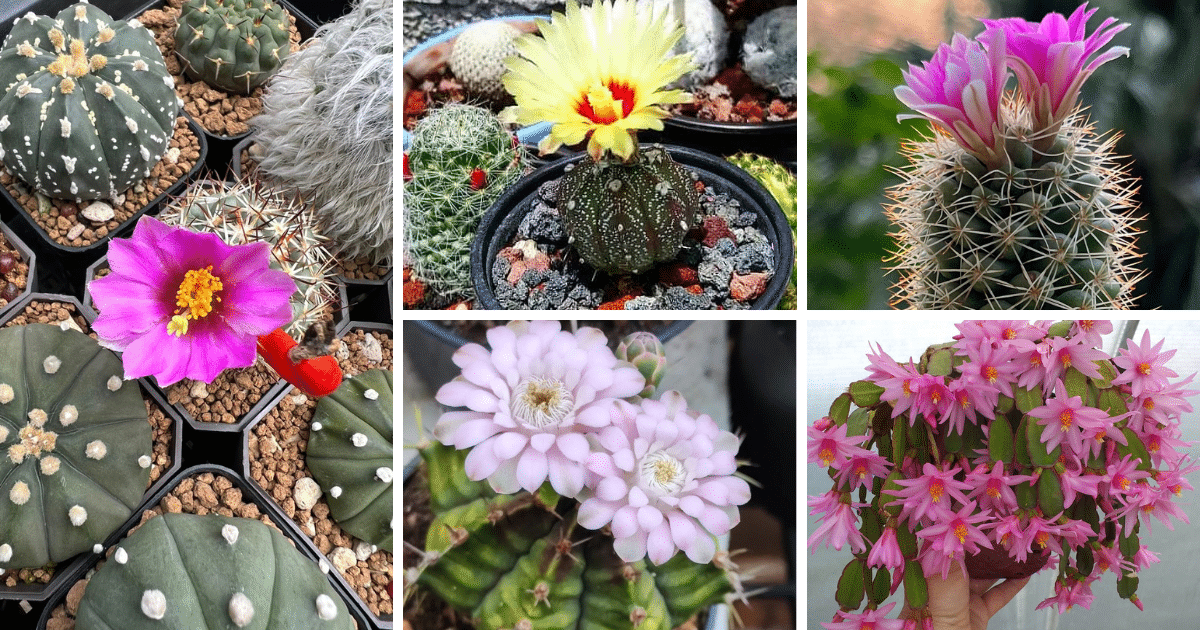

Cacti are unique plants that have adapted to survive in harsh desert environments. They come in a variety of shapes and sizes, and many of them are known for their beautiful and colorful blooms. Flowering cacti are a popular choice for indoor and outdoor gardens because of their unique features, low maintenance, and stunning flowers.
In this article, we will explore the different types of flowering cacti, their unique characteristics, and how to care for them. We hope to inspire you to add a few of these stunning plants to your own collection.
- Types Of Flowering Cacti:
- Easter Cactus (Hatiora Gaertneri)
- Christmas Cactus (Schlumbergera x Buckleyi)
- Hedgehog Cactus (Echinocereus Engelmannii)
- Fishhook Cactus (Mammillaria Dioica)
- Barrel Cactus (Ferocactus)
- How To Grow And Care For Flowering Cacti
- Top 5 FAQ And Answers About Flowering Cacti
- Top 10 Interesting Facts About Flowering Cacti
Types Of Flowering Cacti:

Easter Cactus (Hatiora Gaertneri)

The Easter Cactus is a popular choice for indoor gardens because of its striking pink, red, and white flowers that bloom in the spring. This cactus is easy to care for and can tolerate low light conditions. It prefers well-draining soil and needs to be watered regularly during the growing season.
Christmas Cactus (Schlumbergera x Buckleyi)

The Christmas Cactus is a popular houseplant that blooms in late fall or early winter. It has flat, segmented leaves that can range from dark green to red. The flowers come in a variety of colors, including white, pink, red, and purple. This cactus prefers bright, indirect light and should be watered regularly during the growing season.
Hedgehog Cactus (Echinocereus Engelmannii)

The Hedgehog Cactus is a small, slow-growing cactus that produces bright pink or red flowers in the spring. This cactus prefers full sun and well-draining soil. It is drought-tolerant and should be watered sparingly during the growing season.
Fishhook Cactus (Mammillaria Dioica)

The Fishhook Cactus is a unique-looking cactus that produces clusters of small pink or white flowers in the spring. This cactus prefers full sun and well-draining soil. It is drought-tolerant and should be watered sparingly during the growing season.
Barrel Cactus (Ferocactus)

The Barrel Cactus is a large, round cactus that produces bright yellow or orange flowers in the spring. This cactus prefers full sun and well-draining soil. It is drought-tolerant and should be watered sparingly during the growing season.
How To Grow And Care For Flowering Cacti

Flowering cacti are relatively easy to care for and require minimal maintenance. Here are some tips for keeping your cacti healthy and happy:
Light: Most flowering cacti prefer bright, indirect light. They can tolerate some direct sunlight, but too much can cause their leaves to burn.
Water: Cacti should be watered sparingly during the growing season, typically spring and summer. Use well-draining soil, and make sure the soil is thoroughly dry before the next watering. Root rot and other diseases can occur if there is too much watering.

Fertilizer: Cacti should be fertilized once a month during the growing season with a balanced fertilizer.
Repotting: Cacti should be repotted every 2–3 years into fresh soil. Be sure to choose a pot with good drainage and avoid handling the cactus as much as possible.
Top 5 FAQ And Answers About Flowering Cacti

Q: Do all cacti produce flowers?
A: No, not all cacti produce flowers. However, many types of cacti do produce flowers, including popular species like the Christmas cactus, Easter cactus, and the Queen of the Night cactus.
Q: How often do flowering cacti bloom?
A: The frequency of blooming can vary depending on the species of cactus. Some cacti bloom once a year, while others can bloom multiple times a year. Additionally, environmental factors like temperature, sunlight, and humidity can also affect blooming frequency.
Q: How long do cactus flowers last?
A: Cactus flowers can last anywhere from a few days to a few weeks, depending on the species of cactus and the growing conditions. Some cactus flowers, like those of the Queen of the Night cactus, only bloom for one night.
Q: What should I do if my cactus isn’t blooming?
A: If your cactus isn’t blooming, it could be due to a variety of reasons, including insufficient sunlight, improper watering, or a lack of nutrients. Make sure your cactus is receiving enough sunlight, water it sparingly, and fertilize it once a month during the growing season with a balanced fertilizer.
Q: Can flowering cacti be propagated?
A: Yes, many types of cacti can be propagated by cuttings. To propagate a cactus, take a stem cutting from the parent plant and allow it to dry for a few days. Then, plant the cutting in well-draining soil and water it sparingly. With the right conditions, the cutting should take root and start to grow.
By understanding the answers to these frequently asked questions about flowering cacti, you can better care for and appreciate these unique and beautiful plants.
Top 10 Interesting Facts About Flowering Cacti

- Cacti are native to the Americas, with most species found in Mexico, the southwestern United States, and Central and South America.
- The largest cactus in the world is the Saguaro cactus, which can grow up to 70 feet tall and live for over 150 years.
- The Christmas cactus, which blooms in December, is a popular houseplant and is often given as a holiday gift.
- The flowers of the Queen of the Night cactus, also known as the night-blooming cereus, only bloom for one night.
- The prickly pear cactus is often used in traditional Mexican cuisine, and its fruit is known as “tuna” in Spanish.
- The blooms of the Easter cactus can come in a range of colors, including pink, purple, red, and white.
- The Old Man cactus gets its name from the long white hairs that grow on its spines, which resemble an old man’s beard.
- The Golden Barrel cactus is a popular landscaping plant due to its round, spiky shape and bright yellow color.
- The barrel cactus can store up to 200 gallons of water in its thick stem, making it well-adapted to surviving in the arid desert climate.
- The blooms of the Desert Rose cactus, also known as the Adenium, can come in a range of colors, including pink, red, and white.
By learning these interesting facts about flowering cacti, you can appreciate the unique beauty and adaptability of these amazing plants.


