
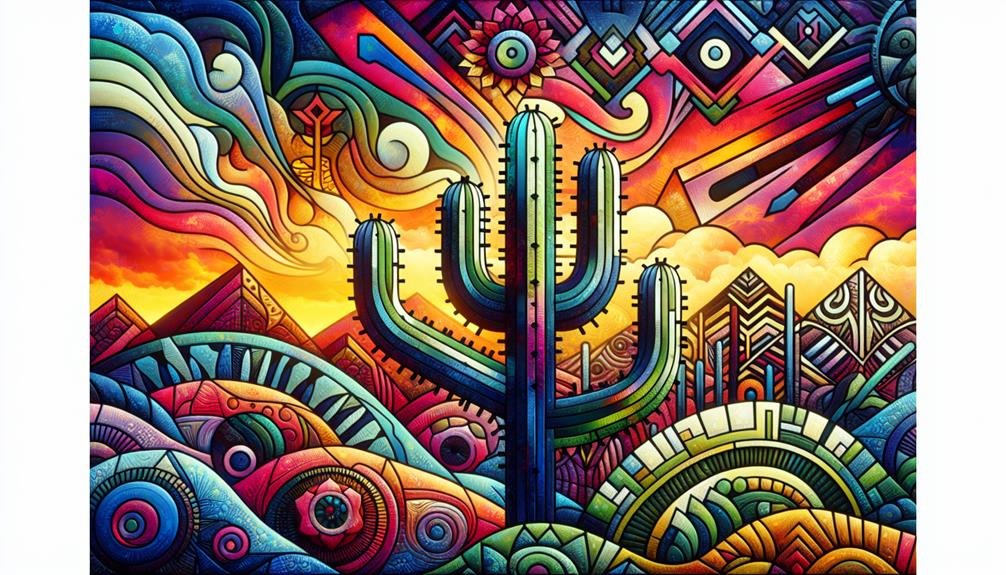
Exploring the intricate tapestry of cactus symbolism in South American rituals is akin to unraveling a complex puzzle with each thorn-laden piece revealing a deeper layer of meaning.
From ancient ceremonies shrouded in mystery to contemporary adaptations, the role of cacti in these practices is profound.
Stay tuned to uncover the historical significance, cultural interpretations, and shamanic connections that make cacti an essential element in the spiritual landscape of South America.
Historical Significance of Cacti
The historical significance of cacti in South American rituals lies in their enduring role as sacred symbols deeply intertwined with cultural practices. Cacti have been revered by various indigenous communities for centuries, serving as vital components in ceremonies and spiritual beliefs. These resilient plants symbolize strength, endurance, and adaptability, mirroring the qualities valued by these cultures.
In South American rituals, cacti often play a central role in purification ceremonies, where their spines are seen as protective barriers warding off negative energies. The hallucinogenic properties of certain cactus species, like the San Pedro cactus, have also been utilized in shamanic rituals to induce altered states of consciousness for spiritual exploration.
Furthermore, cacti are believed to bridge the earthly realm with the divine, acting as conduits for communication with ancestral spirits and deities. Their presence in rituals signifies a connection to the natural world and a deep respect for the wisdom it holds. Throughout history, cacti have remained steadfast symbols of tradition, spirituality, and cultural heritage in South American societies.
Cultural Meanings and Interpretations
Cacti in South American rituals carry rich cultural meanings and interpretations that are deeply ingrained in the spiritual fabric of indigenous communities. These sacred plants symbolize resilience, strength, and endurance in the face of adversity. The cactus, with its ability to survive harsh conditions and thrive in arid landscapes, represents the resilience of the human spirit and the capacity to persevere through challenges.
In South American cultures, cacti are often seen as symbols of protection, warding off negative energies and evil spirits. They're believed to possess powerful healing properties, both physically and spiritually. The thorns of the cactus serve as a reminder of the need for boundaries and protection in one's life. Additionally, the cactus is associated with transformation and rebirth, as it can regenerate and grow anew even after being damaged.
Cactus Symbolism in Shamanic Practices
Exploring the mystical realm of shamanic practices reveals the profound significance of cactus symbolism. In shamanic traditions, cacti, especially the San Pedro and Peyote varieties, hold a revered status as sacred plants with potent spiritual properties. Shamans often incorporate these cacti into their rituals to induce altered states of consciousness, allowing them to connect with the spirit world and gain profound insights.
Cactus symbolism in shamanic practices goes beyond the physical attributes of the plant. The cactus is seen as a bridge between the earthly realm and the divine, symbolizing resilience, endurance, and spiritual awakening. Shamans believe that the cactus teaches important lessons about facing adversity with grace and remaining grounded while reaching for higher spiritual realms.

When used ceremonially, cacti are believed to open doorways to the subconscious mind, facilitating healing, introspection, and personal growth. Through the guidance of the cactus spirit, shamans navigate the complexities of the spiritual journey, seeking wisdom, healing, and enlightenment. The cactus serves as a powerful ally in the shaman's quest for spiritual transformation and connection to the divine.
Role of Cacti in Healing Rituals
In healing rituals, cacti play a crucial role in facilitating spiritual and physical well-being. The use of cacti, such as the San Pedro and Peyote, has been a longstanding tradition in South American cultures for their healing properties. Shamans and healers often incorporate cacti into their ceremonies to induce altered states of consciousness, allowing individuals to access deeper parts of their psyche and address emotional or physical ailments.
Cacti are believed to possess medicinal qualities that can aid in healing various conditions. The San Pedro cactus, for example, is used in rituals to promote emotional healing and clarity of mind, while Peyote is revered for its ability to alleviate physical pain and treat ailments. The ritualistic consumption of cacti is thought to cleanse the body, mind, and spirit, promoting overall well-being and harmony.
Through the ingestion of cacti during healing ceremonies, participants can experience profound insights, release negative energies, and restore balance within themselves. The presence of cacti in these rituals symbolizes growth, resilience, and the transformative power of nature in promoting healing and holistic wellness.
Modern Relevance and Adaptations
Amid shifting cultural landscapes, the significance of cactus symbolism in South American rituals continues to evolve, reflecting modern interpretations and adaptations. Today, cacti aren't only seen as symbols of endurance and protection but have also become intertwined with environmental conservation efforts. In modern times, cactus imagery is often used in various art forms, fashion designs, and even tattoos to represent strength, resilience, and adaptability.
Furthermore, the adaptability of cacti to harsh environments has inspired sustainability movements, with some communities incorporating cactus-based products into their daily lives. Cactus-based skincare products, culinary delicacies, and even sustainable building materials are gaining popularity, showcasing a contemporary twist on traditional uses of cacti.
Moreover, cactus symbolism in rituals has also shifted to address current social issues. Some rituals now incorporate cactus symbolism to promote unity, resilience, and solidarity in the face of adversity, reflecting the need for collective strength in modern society. As cultures continue to evolve, the cactus remains a versatile symbol that adapts to represent the values and challenges of the present day.
Frequently Asked Questions
Are There Any Specific Rituals or Ceremonies Involving Cacti That Are Considered Taboo or Off-Limits in South American Cultures?
In South American cultures, some rituals or ceremonies involving cacti are considered taboo or off-limits. These practices may vary among different indigenous groups and communities.
It's important to respect these cultural boundaries and traditions to avoid causing offense or disrespect. When participating in rituals that involve cacti, it's advisable to seek guidance from local elders or spiritual leaders to ensure that you're following the appropriate protocols and showing proper reverence.
How Do Different Indigenous Tribes in South America Perceive the Spiritual Significance of Cacti, and Are There Any Variations in Their Interpretations?
In South America, various indigenous tribes perceive cacti as spiritually significant plants. Each tribe may have unique interpretations of the cactus's symbolism, reflecting their distinct cultural beliefs and traditions.
These interpretations can vary based on the specific tribe's historical connections to the cactus, their geographical location, and the role cacti play in their rituals and ceremonies.
Understanding these diverse perspectives enriches our knowledge of indigenous spirituality in South America.
Are There Any Specific Types of Cacti That Are More Commonly Used in Shamanic Practices, and What Qualities Do They Possess That Make Them Ideal for These Rituals?
In shamanic practices, certain cacti are favored for their unique qualities. They're selected for their potency and ability to induce altered states of consciousness. These cacti often contain psychoactive compounds that facilitate spiritual experiences and visions during rituals.
The most commonly used types include Peyote, San Pedro, and Peruvian Torch due to their long-standing history in indigenous traditions and their profound effects on the mind and spirit.
Can Cacti Be Used in Combination With Other Plants or Herbs in Healing Rituals, and if So, What Are Some Common Pairings and Their Effects?
In healing rituals, cacti can be combined with other plants or herbs for enhanced effects. Common pairings include cactus with sage for purification, or cactus with lavender for relaxation.
These combinations can amplify the healing properties of each plant, creating a well-rounded and powerful healing experience. Experimenting with different pairings can help you discover unique and beneficial effects in your healing practices.
How Have Modern South American Societies Adapted Traditional Cactus Symbolism and Rituals in Contemporary Practices, and Are There Any Controversies Surrounding These Adaptations?
In modern South American societies, traditional cactus symbolism and rituals have been adapted to fit contemporary practices. Some have incorporated these ancient traditions into new healing ceremonies and spiritual practices.
However, controversies arise as some argue that these adaptations dilute the authenticity and sacredness of the original rituals. It's important for practitioners to respect the cultural significance of cactus symbolism while navigating the complexities of modern interpretations.
Conclusion
In conclusion, cacti have played a significant role in South American rituals, symbolizing endurance, protection, and healing.
From ancient shamanic practices to modern adaptations, these resilient plants continue to hold cultural and spiritual significance.
Whether used in ceremonies or as a form of natural medicine, cacti remain a powerful symbol of strength and connection to the earth in various indigenous traditions.


