
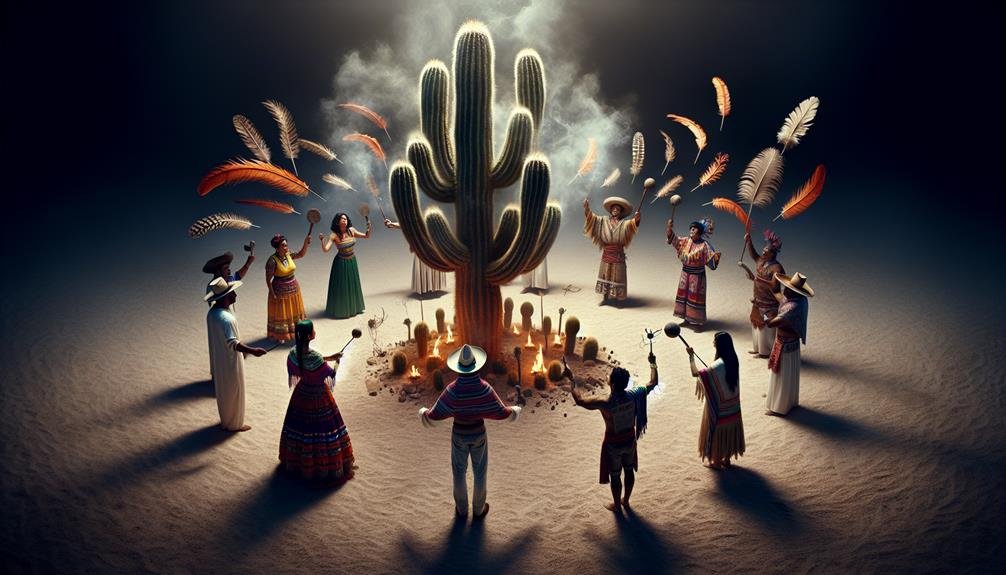
Explore the nuanced meanings behind the cactus in South American rituals, where its significance goes beyond mere desert flora. Unveil the mysterious origins and delve into the pivotal role cacti play in shamanic practices, shedding light on their cultural importance in various celebrations.
Discover how these prickly plants are not just symbols but also hold potent healing properties intertwined with ancient rituals. Delve into modern interpretations that continue to shape the spiritual landscape of South America, offering a glimpse into a world where the cactus stands as a powerful emblem of tradition and transformation.
Origins of Cactus Symbolism
The origins of cactus symbolism can be traced back to ancient South American civilizations where these desert plants held deep spiritual significance. In these cultures, cacti were revered for their ability to thrive in harsh environments, symbolizing resilience, endurance, and adaptability. The unique characteristics of cacti, such as their ability to store water and withstand extreme conditions, became powerful symbols of strength and protection.
Cacti were often incorporated into rituals and ceremonies as offerings to the gods, believed to bridge the earthly realm with the spiritual world. Their sharp spines were seen as a form of protection, warding off negative energies and evil spirits. Shamans and spiritual leaders would use cacti in various forms, such as teas or smokable substances, to induce altered states of consciousness and connect with the divine.
Over time, cactus symbolism evolved to represent transformation, purification, and spiritual awakening. The rich history of cacti in South American rituals continues to influence modern interpretations of these plants in spiritual practices and ceremonies.
Role in Shamanic Practices
Playing a pivotal role in shamanic practices, cacti have long been utilized as tools for spiritual connection and transcendence. Shamans in South America have traditionally used various species of cacti, such as the San Pedro and Peyote, for their hallucinogenic properties to induce altered states of consciousness during rituals. These plants are believed to facilitate communication with the spirit world, allowing shamans to gain insights, heal the sick, and guide their communities.
In shamanic ceremonies, cacti are often ingested or brewed into a potent tea to evoke visions and mystical experiences. The psychoactive compounds present in cacti are thought to open portals to other realms, enabling shamans to connect with ancestors, nature spirits, and divine entities. Through these connections, shamans receive guidance, wisdom, and healing energies that are crucial for maintaining balance and harmony within the community.
Furthermore, cacti play a crucial role in shamanic initiation rites, where aspiring shamans undergo profound spiritual experiences facilitated by the plant's properties. These rituals are believed to awaken latent abilities, deepen spiritual connections, and prepare individuals for their roles as healers and intermediaries between the physical and spiritual realms.
Cultural Significance in Celebrations
Cacti's cultural significance extends beyond shamanic practices, particularly evident in various celebrations throughout South America. In South American cultures, cacti are often symbolically linked to resilience, strength, and endurance, traits that are celebrated during festivals and ceremonies.
For example, during the Fiesta de San Pedro in Peru, cacti are used in decorations and rituals to honor Saint Peter, believed to be the guardian of cacti. The cactus is seen as a representation of life thriving in harsh conditions, making it a powerful symbol during agricultural festivals that celebrate the harvest season.

In Mexico, the cactus plays a significant role in the Day of the Dead celebrations, where it's used as decoration on altars to honor deceased loved ones. The cactus's symbolic importance in these celebrations highlights its deep-rooted cultural significance and its role in connecting communities with their traditions and beliefs.
Healing Properties and Rituals
Exploring the healing properties and rituals associated with cacti reveals a rich tapestry of traditional practices in South American cultures. Cacti, like the San Pedro and Peyote, are revered for their medicinal attributes. The San Pedro cactus, for example, is used in shamanic ceremonies for its alleged ability to induce deep healing and spiritual experiences. It's believed to cleanse the body, mind, and spirit, promoting overall well-being. Peyote, on the other hand, is known for its psychoactive properties and is used in traditional healing rituals to alleviate physical and emotional ailments.
In South American cultures, cacti are often incorporated into healing ceremonies to address various health issues. These rituals are performed by shamans or healers who guide participants through the process of connecting with the plant's energy to facilitate healing. The ceremonies are deeply rooted in tradition and are believed to restore balance and harmony within the individual. Whether used for physical ailments or spiritual healing, cacti play a significant role in the traditional healing practices of South American cultures.
Modern Interpretations in South America
In contemporary South American societies, the traditional healing practices involving cacti have evolved to encompass modern interpretations that reflect changing cultural and societal norms. Today, cacti aren't only seen as sources of medicinal properties but also as symbols of resilience, endurance, and adaptability in the face of challenges.
Modern interpretations of cacti in South America often focus on their ability to thrive in harsh environments, mirroring the resilience and strength that individuals aspire to possess in the modern world. Cacti have become emblematic of perseverance and the capacity to withstand adversity, serving as powerful symbols in art, literature, and even corporate branding.
Furthermore, cacti are increasingly integrated into sustainable practices, with their ability to survive with minimal resources serving as a model for environmentally conscious initiatives. This modern perspective on cacti highlights their relevance in addressing contemporary issues such as climate change and resource scarcity, positioning them as more than just symbols of traditional healing but also as icons of sustainability and adaptability in a rapidly changing world.
Frequently Asked Questions
Can Cactus Symbolism Be Found in Other Regions Outside of South America?
Yes, cactus symbolism can indeed be found in other regions outside of South America. Various cultures across the world have incorporated cacti into their symbolism and rituals.
The resilient nature and unique characteristics of cacti make them a powerful symbol in many different belief systems.
From the deserts of North America to the landscapes of Africa and Asia, cactus symbolism transcends borders and cultures.
Are There Any Taboos or Restrictions Around the Use of Cacti in Rituals?
When using cacti in rituals, it's essential to respect any taboos or restrictions that may be in place.
Different cultures may have specific guidelines surrounding the use of cacti, so it's crucial to educate yourself on these before incorporating them into any rituals.
How Have Cacti Been Incorporated Into South American Art and Literature?
In South American art and literature, cacti have been widely portrayed as symbols of resilience, endurance, and adaptability. Artists and writers often use the image of cacti to represent the strength and beauty found in harsh environments.
Through vibrant illustrations and evocative prose, cacti have become iconic elements that convey a deeper cultural connection to the land and its people. Their presence in creative works adds layers of meaning and symbolism to the narratives they inhabit.
Are There Specific Cactus Species That Hold More Significance in Rituals?
In rituals, certain cactus species indeed hold more significance. These plants are chosen based on their unique qualities and the specific symbolism they represent.
Understanding the different cactus varieties can provide insights into the depth and purpose of the rituals they're used in. By recognizing the distinct properties of each species, practitioners can harness their individual energies for spiritual and ceremonial purposes.
What Are Some Common Misconceptions About Cactus Symbolism in South American Cultures?
Common misconceptions about cactus symbolism in South American cultures include oversimplifying their meanings. This includes associating them solely with desert imagery or folklore. Remember, cacti hold diverse symbolic meanings across different tribes and regions. It's essential to approach their significance with cultural sensitivity and respect.
Explore the rich tapestry of beliefs and traditions surrounding cacti to gain a deeper understanding of their symbolism in South American rituals.
Conclusion
In conclusion, cactus symbolism in South American rituals holds deep roots in shamanic practices, cultural celebrations, and healing rituals. The cactus has been revered for its spiritual significance and medicinal properties, playing a vital role in the indigenous traditions of the region.
Today, the symbolism of the cactus continues to be honored and interpreted in various modern contexts throughout South America, showcasing its enduring importance in the cultural fabric of the region.


