
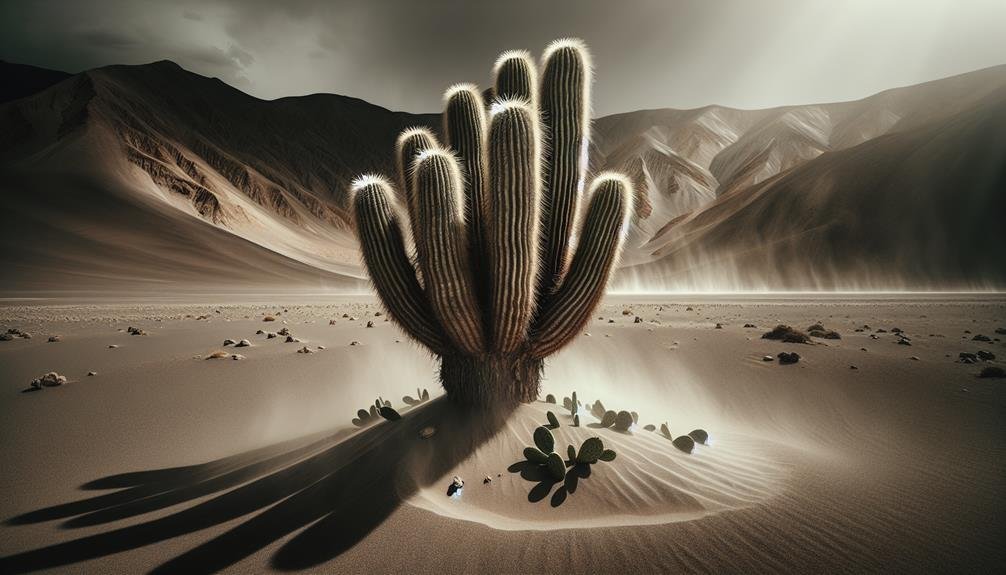
As you ponder the image of a cactus, prickly and unyielding, consider the deeper symbolism it holds across various cultures. From the Native American reverence for the cactus as a resilient plant that thrives in harsh conditions to the Mexican folklore that weaves tales of protection and endurance around it, cacti have long been imbued with profound meanings.
But what about the spiritual significance they carry and their relevance in modern contexts? The layers of resilience personified by the cactus are vast and intriguing, inviting you to explore the intricate tapestry of interpretations woven around this enduring plant.
Origins of Cactus Symbolism
The origins of cactus symbolism can be traced back to ancient civilizations that revered these resilient desert plants for their endurance and adaptability. Imagine standing in the arid landscapes of ancient Egypt, Mesopotamia, or Mexico, where cacti stood tall and proud amidst harsh conditions, symbolizing strength in the face of adversity. These civilizations saw cacti as symbols of survival, resilience, and protection, characteristics that became deeply ingrained in their cultural beliefs.
As time passed, the symbolism of cacti spread across different cultures and regions, each interpreting these plants in their unique ways. In some societies, cacti represented longevity and wisdom, with their ability to thrive for decades in challenging environments. For others, cacti symbolized boundaries and protection, acting as natural barriers that deter intruders and safeguard what's valuable.
Cactus Symbolism in Native American Culture
Exploring the significance of cacti in Native American culture reveals deep-rooted connections to nature and spirituality. The Native Americans viewed the cactus as a symbol of resilience, adaptability, and survival in harsh desert environments. Various tribes, such as the Navajo and Hopi, incorporated cactus motifs in their art, pottery, and ceremonies, representing endurance and the ability to thrive in adversity.
In Native American folklore, the cactus is often seen as a protector, offering shelter and sustenance to both humans and wildlife in arid landscapes. The saguaro cactus, with its majestic presence and long lifespan, is particularly revered among tribes like the Tohono O'odham, symbolizing strength and wisdom.
Moreover, some Native American tribes believed that certain cacti, like the peyote cactus, held spiritual significance and were used in religious ceremonies to connect with the divine. The cactus, with its ability to store water and withstand extreme conditions, became a powerful symbol of inner strength, healing, and spiritual guidance within Native American cultures.
Cactus Symbolism in Mexican Folklore
In Mexican folklore, cacti hold significant symbolism deeply intertwined with cultural beliefs and traditions. The cactus, specifically the nopal cactus, features prominently in Mexican heritage as a symbol of resilience and strength. Its ability to thrive in harsh desert environments mirrors the resilience of the Mexican people in the face of adversity. The nopal cactus is also a symbol of national pride, appearing on the Mexican flag as an emblem of the foundation myth of Tenochtitlan, the ancient Aztec city on which Mexico City now stands.
Moreover, in Mexican folklore, the cactus is often associated with protection and warding off negative energies. People believe that placing a cactus near the entrance of a home can help keep bad spirits away. Additionally, the cactus is viewed as a symbol of endurance and longevity. Its ability to store water and survive in arid conditions is seen as a metaphor for perseverance and the ability to overcome challenges. The cactus serves as a reminder to stay strong and resilient in the face of difficulties, embodying the spirit of Mexican folklore and culture.
Spiritual Significance of Cacti
Symbolizing spiritual connections, cacti hold profound significance across various cultures around the world.

In Native American traditions, cacti are seen as symbols of endurance, protection, and strength. The ability of cacti to thrive in harsh desert environments is often associated with resilience and adaptability, making them powerful symbols of overcoming challenges.
In Hindu culture, cacti are sometimes linked to the idea of self-preservation and inner strength. The prickly exterior of the cactus is believed to ward off negative energies and protect individuals from harm.
Additionally, in Chinese folklore, cacti are often associated with longevity and the ability to withstand the tests of time. The slow growth of cacti is seen as a representation of patience and the rewards that come with perseverance.
Across different spiritual beliefs, cacti serve as reminders of staying true to oneself, embracing resilience, and finding strength in challenging environments.
Cactus Symbolism in Modern Contexts
Cacti's symbolism continues to evolve in contemporary society, reflecting shifting perspectives and cultural interpretations. In modern contexts, cacti have become emblematic of resilience, adaptability, and strength in the face of adversity. The image of a cactus thriving in harsh desert environments resonates with many people, symbolizing the ability to persevere through challenging circumstances.
Furthermore, cacti have also gained popularity as decorative elements in interior design, fashion, and art. Their unique shapes and textures are often incorporated into modern aesthetics to convey a sense of individuality and boldness. Cactus motifs can be found on clothing, home decor items, and even tattoos, serving as symbols of protection and endurance.
In the realm of social media and popular culture, cacti have been embraced as trendy icons representing independence and self-reliance. The plant's spiky exterior is often used metaphorically to express boundaries and self-protection in a world that can sometimes feel overwhelming. Overall, cacti continue to hold multifaceted meanings in modern society, embodying resilience and empowerment in various contexts.
Frequently Asked Questions
Can Cacti Be Used for Medicinal Purposes in Traditional Healing Practices?
Yes, cacti can be used for medicinal purposes in traditional healing practices. They've been utilized for centuries by various cultures around the world.
The unique properties of cacti make them valuable in treating a wide range of ailments. From skin conditions to digestive issues, cacti offer a natural remedy that has stood the test of time.
Their resilience in harsh environments mirrors their ability to provide healing benefits.
Are There Any Specific Rituals or Ceremonies Involving Cacti in Native American Culture?
In Native American culture, specific rituals and ceremonies involving cacti are significant. Cacti symbolize endurance and protection in various tribes. They're used in healing rituals, spiritual ceremonies, and as a symbol of resilience.
The cactus is revered for its ability to thrive in harsh environments, reflecting the strength and adaptability of the people who use it in their traditions.
How Do Different Regions Within Mexico Interpret Cactus Symbolism Differently?
In different regions of Mexico, cactus symbolism is viewed with varied perspectives. Some areas may see the cactus as a symbol of endurance and protection, while others may associate it with adaptability and strength.
The interpretations can differ based on local traditions, beliefs, and historical significance. This diversity adds depth and richness to the cultural tapestry surrounding cactus symbolism in Mexico.
Are There Any Specific Deities or Spiritual Beings Associated With Cacti in Various Spiritual Traditions?
In various spiritual traditions, specific deities or spiritual beings are associated with cacti. These entities often symbolize protection, endurance, and resilience. They're revered for their ability to thrive in harsh conditions and their capacity to provide sustenance and healing properties.
Cacti are seen as sacred plants embodying strength and the power to withstand challenges, making them significant symbols in many spiritual practices worldwide.
How Has the Representation of Cacti in Art and Literature Evolved in Recent Times?
In recent times, the representation of cacti in art and literature has evolved significantly. Artists and writers now often use cacti as symbols of resilience, endurance, and adaptability.
The once simple depictions have transformed into intricate and symbolic interpretations that reflect the cactus's ability to thrive in harsh conditions. This evolution showcases a deeper appreciation for the cactus as a powerful metaphor for overcoming challenges and adversity.
Conclusion
As you delve into the rich history and symbolism of cacti across various cultures, you can't help but be inspired by their resilience and adaptability. From Native American traditions to Mexican folklore, cacti have been revered for their ability to thrive in harsh environments.
Their spiritual significance and modern interpretations continue to remind us of the strength and endurance we all possess within us. Embrace the cactus as a symbol of resilience personified in your own life.


