
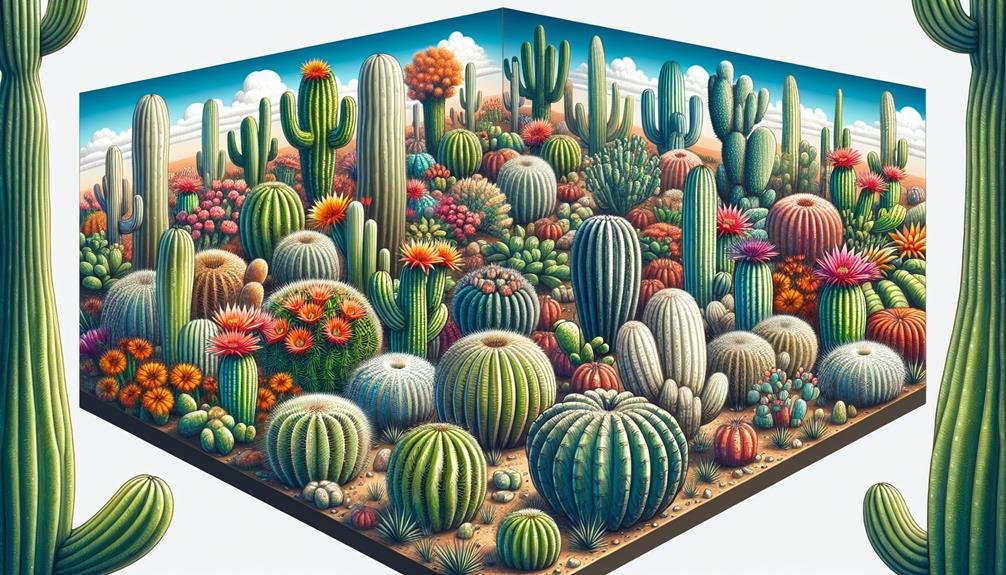
Ever wondered why specific cactus species face endangerment and peculiar distributions?
The complexities lie in a web of intertwined factors, ranging from habitat loss and fragmentation to the relentless pressures of overharvesting for horticulture.
But wait, there's more to this intricate puzzle that begs exploration.
Stay tuned to unravel the mysteries behind the endangered status and peculiar distribution patterns of certain cactus species, as we delve deeper into the underlying causes that threaten these iconic desert plants.
Habitat Loss and Fragmentation
How has human activity impacted the habitat of cactus species, leading to their loss and fragmentation?
The expansion of human settlements, agriculture, and infrastructure has significantly altered the natural landscapes where cactus species thrive. As populations grow, more land is cleared for urban development, agriculture, and roads, encroaching upon the habitats of these unique plants. This habitat destruction not only directly removes cacti from their natural environment but also fragments the remaining habitats into smaller, isolated patches.
Fragmentation poses a significant threat to cactus species, as it disrupts pollination patterns, limits gene flow between populations, and increases vulnerability to environmental changes. Roads and other barriers can prevent the movement of pollinators essential for cactus reproduction, leading to reduced seed set and genetic diversity. Additionally, fragmented habitats are more susceptible to invasive species and climate fluctuations, further endangering the survival of cactus populations.
To conserve these iconic plants, it's essential to address the root causes of habitat loss and fragmentation, promoting sustainable land use practices and habitat restoration efforts.
Overharvesting for Horticulture
Overharvesting for horticulture threatens the survival of cactus species in their natural habitats. The demand for cacti in the horticultural trade has led to widespread collection from the wild, impacting populations already vulnerable due to habitat loss. Cacti are coveted for their unique shapes, sizes, and resilience, making them popular choices for collectors and landscapers. However, this high demand has resulted in unsustainable harvesting practices that often exceed the reproductive capacity of these slow-growing plants.
The removal of cacti from their natural habitats disrupts ecosystems and diminishes genetic diversity within populations. Overharvesting not only reduces the number of individuals within a species but also decreases the overall fitness of these populations, making them more susceptible to other threats such as disease and climate change.

To combat the detrimental effects of overharvesting, it's crucial for horticultural practices to shift towards sustainable cultivation methods, such as propagation from seeds or offsets, to reduce the pressure on wild cactus populations. Conservation efforts must focus on promoting responsible sourcing and raising awareness about the importance of preserving cacti in their native environments.
Climate Change Impacts
The impact of climate change on cactus species is becoming increasingly concerning as environmental conditions continue to shift. Cacti are highly adapted to specific temperature and moisture conditions, making them particularly vulnerable to the rapid changes brought about by climate change. Rising global temperatures are altering the habitats where cacti grow, leading to shifts in precipitation patterns and increasing the frequency of extreme weather events such as droughts and heatwaves. These changes disrupt the delicate balance that cacti have evolved to thrive in, putting many species at risk of extinction.
As temperatures rise, cacti are also facing new challenges from pests and diseases that were previously kept in check by colder climates. Additionally, the timing of seasonal events like blooming and fruiting is being thrown off, impacting the ability of cacti to reproduce successfully. Without swift action to mitigate the effects of climate change and protect cactus habitats, many species may struggle to survive in the face of these unprecedented challenges.
Invasive Species Threats
Invasive species pose a significant threat to cactus populations worldwide, impacting their survival and ecological balance. These non-native plants, animals, or pathogens can outcompete native cacti for resources such as water, nutrients, and sunlight. They may also introduce diseases that the cacti haven't evolved to resist, leading to declines in population numbers. Invasive species can disrupt the delicate balance within cactus ecosystems, altering the interactions between plants, animals, and the environment.
One example of an invasive species threatening cacti is the buffelgrass (Pennisetum ciliare), which competes with native cacti for water and space in arid regions. This grass increases the frequency and intensity of wildfires, further endangering cactus populations. Additionally, invasive herbivores like feral goats can overgraze areas where cacti grow, preventing their regeneration and causing long-term damage to the ecosystem.
To protect cacti from the threats posed by invasive species, proactive measures such as monitoring and controlling invasive populations are essential to safeguard the survival of these iconic plants.
Lack of Legal Protections
Legal protections for cactus species are lacking, leaving them vulnerable to various threats. Without adequate legal safeguards, cacti face risks from habitat destruction, illegal poaching, and climate change. The absence of stringent regulations contributes to the overexploitation of certain cactus species for commercial purposes, such as the ornamental plant trade. In regions where cacti are endemic, the lack of legal protections exposes them to habitat fragmentation and disturbance, further endangering their survival.
Furthermore, the dearth of comprehensive laws addressing the conservation of cactus species hampers efforts to combat invasive species that threaten native populations. In the absence of clear guidelines and enforcement mechanisms, invasive plants can outcompete cacti for resources, exacerbating their decline.
To mitigate these challenges, policymakers must prioritize the implementation of robust legal frameworks that safeguard cactus species and their habitats. Strengthening legislation, enforcing anti-poaching measures, and promoting sustainable practices are essential steps towards ensuring the long-term survival of endangered cactus species.
Frequently Asked Questions
Are There Any Specific Diseases or Pests That Pose a Threat to Endangered Cactus Species?
When it comes to specific threats to endangered cactus species, diseases and pests play a significant role. These can harm the plants, affecting their survival.
It's crucial to understand how these factors impact the cacti's well-being and take steps to protect them. By identifying and addressing these threats, we can help safeguard these vulnerable species and ensure their continued existence in their natural habitats.
How Do Cactus Species Adapt to Changes in Their Environment?
To adapt to changes in their environment, cactus species have developed unique features. They store water in their stems to survive in arid conditions and have shallow root systems to quickly absorb rainwater.
Some species have spines for protection against animals and to reduce water loss through transpiration. By evolving these traits, cacti can thrive in harsh environments and ensure their survival.
Are There Any Conservation Efforts in Place to Protect Endangered Cactus Species?
To protect endangered cactus species, conservation efforts are crucial. Various organizations and governments have implemented strategies like habitat preservation, seed banking, and public awareness campaigns. These initiatives aim to safeguard the biodiversity of cacti and their ecosystems.
Do Cactus Species Have Any Specific Relationships With Other Plant or Animal Species That Contribute to Their Endangerment?
Cactus species develop unique relationships with other plants and animals, impacting their endangerment. Some cacti rely on specific pollinators or animals for seed dispersal, making them vulnerable if those partners decline.
Invasive species can also disrupt these delicate ecosystems, further endangering cacti. Understanding these relationships is crucial for conservation efforts to protect these fascinating species in their natural habitats.
How Do Cactus Species Reproduce and Spread Their Populations in the Wild?
To reproduce and spread in the wild, cactus species rely on various methods. Some cacti produce colorful flowers to attract pollinators like bees and birds. Once pollinated, they develop fruits containing seeds that can be dispersed by animals or wind.
Additionally, some cacti can reproduce asexually through offsets or stem segments, allowing them to grow new plants without seeds. These strategies help cactus species expand their populations in their natural habitats.
Conclusion
Overall, certain cactus species are endangered and distributed due to habitat loss, overharvesting, climate change impacts, invasive species threats, and lack of legal protections.
It's important for us to take action to protect these unique plants and their habitats. By raising awareness, implementing conservation efforts, and enforcing laws to prevent their exploitation, we can help ensure the survival of these vulnerable cactus species for future generations to enjoy.


