
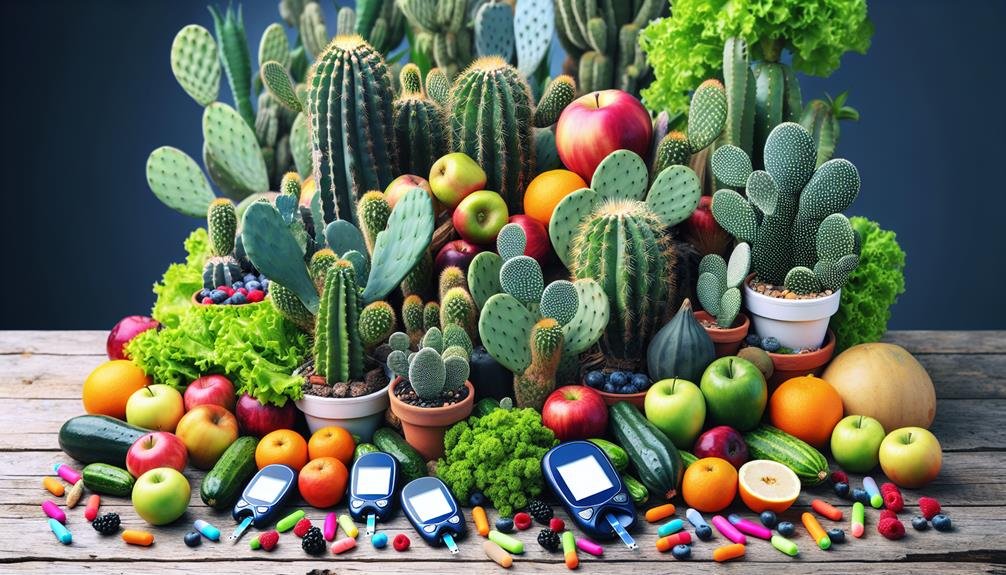
Did you know that approximately 34.2 million Americans have diabetes, and cactus is emerging as a natural remedy for managing blood sugar levels?
Discover how this prickly plant holds the potential to revolutionize diabetes management in a safe and effective way.
Explore the key nutrients in cactus that play a vital role in regulating blood sugar and learn practical ways to incorporate cactus into your daily diet.
Uncover cactus-based remedies that could complement your current diabetes treatment plan and understand the potential side effects and precautions to keep in mind.
Cactus: A Natural Blood Sugar Regulator
Using cactus as a natural blood sugar regulator can help manage diabetes effectively. The prickly pear cactus, in particular, has shown promising results in controlling blood sugar levels. Consuming cactus as part of your diabetes management plan may aid in stabilizing glucose levels throughout the day.
Cactus is rich in fiber, which slows down the absorption of sugar in the bloodstream, preventing spikes in blood glucose levels after meals. By incorporating cactus into your diet, you can potentially reduce the need for insulin or other medications to manage your diabetes.
In addition to its fiber content, cactus also contains antioxidants and other compounds that may contribute to its blood sugar-lowering effects. These properties make cactus a valuable natural remedy for individuals looking to regulate their blood sugar levels more effectively.
Consider adding cactus to your diet through dishes like salads, smoothies, or even as a side dish. Consult with your healthcare provider to see if incorporating cactus into your diabetes management plan is right for you.
Key Nutrients in Cactus for Diabetes
Rich in essential vitamins and minerals, cactus offers key nutrients that can benefit individuals managing diabetes effectively. Cactus is a good source of vitamin C, an antioxidant that helps protect cells from damage and boosts the immune system. This vitamin also plays a role in collagen production, promoting wound healing – essential for diabetics who may have slower healing processes. Additionally, cactus contains vitamin A, important for maintaining healthy vision and supporting the immune system.
Minerals such as magnesium in cactus are vital for regulating blood sugar levels and insulin sensitivity. Magnesium deficiency has been linked to insulin resistance, a common issue in type 2 diabetes. Potassium, another mineral found in cactus, helps control blood pressure and supports heart health, which is often a concern for individuals with diabetes. Furthermore, cactus provides dietary fiber, aiding in digestion and blood sugar control by slowing down the absorption of carbohydrates.

Incorporating cactus into your diet can boost your intake of these essential nutrients and support your diabetes management.
How to Incorporate Cactus Into Diet
To include cactus in your diet effectively, consider incorporating it into salads or stir-fry dishes for added flavor and nutritional benefits. Adding sliced nopales, which are cactus pads, to your salads can provide a crunchy texture and a slightly tangy taste. You can also include diced cactus in stir-fry dishes with other vegetables and protein sources for a well-rounded meal. Another way to incorporate cactus into your diet is by blending it into smoothies or juicing it with other fruits and vegetables for a refreshing beverage.
Furthermore, you can pickle cactus to create a zesty side dish or topping for tacos and sandwiches. Pickled cactus adds a unique flavor profile to your meals and can be a delicious addition to various dishes. Additionally, you can grill cactus paddles and serve them as a side dish or appetizer. Grilled cactus has a smoky flavor that pairs well with different seasonings and herbs. By trying these different methods, you can easily incorporate cactus into your diet and enjoy its numerous health benefits.
Cactus-Based Remedies for Diabetes
Incorporating cactus into your diet can't only enhance your meals but also potentially offer natural remedies for managing diabetes. Cactus, particularly the prickly pear variety, has shown promising effects in helping regulate blood sugar levels.
The high fiber content in cactus can slow down the absorption of sugar in the bloodstream, preventing spikes that are harmful for individuals with diabetes. Additionally, cactus contains antioxidants and compounds that may improve insulin sensitivity, making it a valuable addition to a diabetes-friendly diet.
One popular way to incorporate cactus into your diabetes management plan is by juicing the prickly pear fruit or blending it into smoothies. This allows for easy consumption of the beneficial nutrients cactus has to offer. Another option is to cook and eat the cactus pads, known as nopales, which can be grilled, sautéed, or added to salads for a nutritious boost.
Potential Side Effects and Precautions
Be mindful of potential side effects and necessary precautions when considering cactus-based remedies for diabetes management. While cactus has shown promising results in helping regulate blood sugar levels, it's essential to be aware of some adverse effects that may arise.
Firstly, cactus consumption may lead to digestive issues such as diarrhea, nausea, or stomach cramps in some individuals. It's advisable to start with small doses and monitor your body's response closely. Additionally, cactus may interact with certain medications like diabetes drugs or blood pressure medications, affecting their efficacy. Therefore, always consult with your healthcare provider before incorporating cactus into your diabetes management plan.
Moreover, individuals allergic to cactus plants may experience allergic reactions when using cactus for medicinal purposes. If you have a known allergy or develop any symptoms like itching, swelling, or difficulty breathing, seek immediate medical attention. Lastly, pregnant or breastfeeding women should exercise caution and consult a healthcare professional before using cactus-based remedies to ensure the safety of both mother and baby.
Frequently Asked Questions
Can Cactus Be Used as a Substitute for Insulin in Diabetes Management?
Yes, cactus has shown potential as a diabetes management aid, but it isn't a direct substitute for insulin. Research suggests that certain compounds in cactus may help regulate blood sugar levels.
However, it's essential to consult with a healthcare provider before making any changes to your diabetes treatment plan. Incorporating cactus as part of a balanced diet and regular exercise routine may offer additional support in managing diabetes.
Is There a Specific Type of Cactus That Is More Effective for Regulating Blood Sugar Levels in Diabetes?
When it comes to regulating blood sugar levels for diabetes, there isn't one specific type of cactus that stands out as more effective. Various types of cacti, like prickly pear or nopal, have shown potential benefits, but individual responses may vary.
It's always best to consult with a healthcare provider before incorporating cactus or any other natural remedy into your diabetes management plan.
Are There Any Interactions Between Cactus and Diabetes Medications That Should Be Considered?
When considering interactions between cactus and diabetes medications, it's crucial to consult your healthcare provider.
Some cactus compounds may affect how diabetes drugs work, potentially leading to adverse effects. Your doctor can provide personalized guidance based on your specific medication regimen and health status.
It's always best to communicate openly with your healthcare team to ensure the safe and effective management of your diabetes.
How Long Does It Typically Take to See Improvements in Blood Sugar Levels After Incorporating Cactus Into the Diet?
When you start incorporating cactus into your diet, improvements in blood sugar levels can vary. Typically, it may take a few weeks to notice significant changes.
However, individual responses can differ, so it's important to monitor your blood sugar levels regularly. Consistency is key, so stick to your dietary plan and keep an eye on how your body responds to the cactus consumption.
It's a gradual process, so be patient and stay committed.
Are There Any Specific Guidelines or Recommendations for the Dosage of Cactus to Be Consumed for Diabetes Management?
When managing diabetes with cactus, it's important to follow specific dosage guidelines. Start by consulting with your healthcare provider to determine the right amount for you.
Generally, it's recommended to consume cactus in moderation and gradually increase the intake while monitoring your blood sugar levels. Remember, individual responses may vary, so it's crucial to personalize your dosage based on your unique health needs.
Conclusion
In conclusion, cactus can be a natural and effective way to help regulate blood sugar levels for individuals with diabetes. By incorporating cactus into your diet and exploring cactus-based remedies, you may experience potential benefits in managing your condition.
However, it's important to be aware of potential side effects and take necessary precautions before adding cactus to your diabetes management plan. Always consult with a healthcare professional before making any significant changes to your diet or treatment regimen.


