
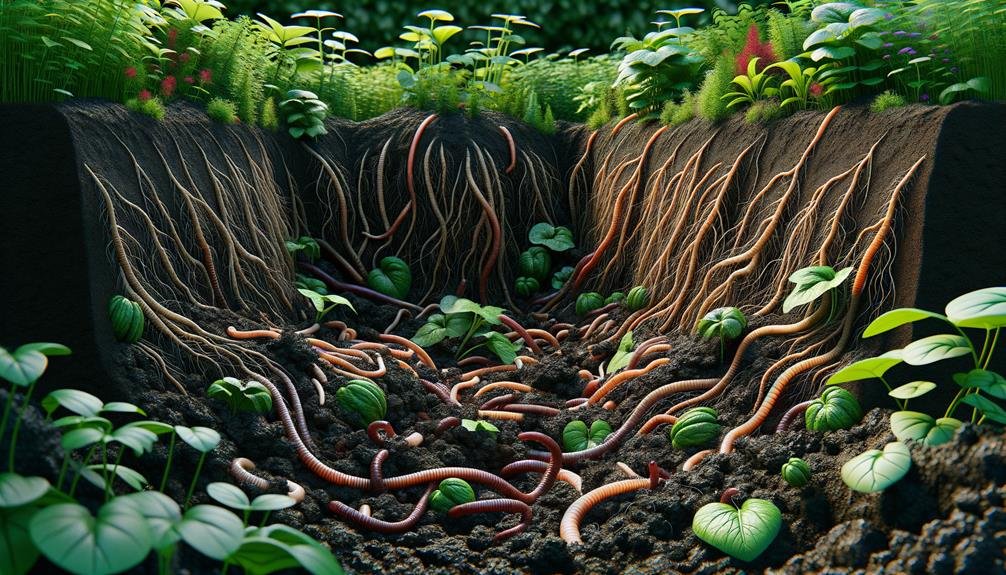
To maintain healthy soil, conduct soil tests to understand pH and nutrient levels. Balance nitrogen, phosphorus, and potassium for plant growth. Rotate crops to prevent nutrient depletion and enhance fertility. Use mulching to shield soil, suppress weeds, and enrich the soil. Compost kitchen scraps to create nutrient-rich soil. These practices optimize plant growth and environmental sustainability. Additional details can provide deeper insight into maintaining soil health effectively.
Importance of Soil Testing
To guarantee your soil is healthy and suitable for peak plant growth, conducting regular soil tests is vital. By testing your soil, you can determine its pH levels, nutrient content, and overall quality. This information is essential for making informed decisions about the types and amounts of fertilizers or soil amendments needed to optimize plant growth.
Soil testing allows you to identify any deficiencies or excesses in nutrients that may be present in the soil. By addressing these imbalances, you can make sure that your plants have access to the necessary nutrients for healthy development. Additionally, soil tests can help you avoid over-fertilizing, which can be harmful to both plants and the environment.
Regular soil testing also provides valuable insights into the overall health of your soil. It can reveal issues such as soil compaction, salinity, or the presence of harmful contaminants. Armed with this knowledge, you can take proactive steps to address these issues and maintain a thriving garden or landscape. Remember, healthy soil is the foundation for successful plant growth and a bountiful harvest.
Adequate Nutrient Management
Conducting regular soil tests is the first step towards ensuring your plants receive adequate nutrient management for optimal growth and development. By knowing the nutrient levels in your soil, you can provide the right balance of nutrients for your plants to thrive. Nutrients like nitrogen, phosphorus, and potassium are vital for plant growth, and maintaining proper levels can prevent issues like stunted growth or nutrient deficiencies.
To manage nutrients effectively, consider using organic fertilizers, compost, or specific mineral-based fertilizers based on your soil test results. Organic matter plays an essential role in nutrient retention and soil structure, promoting a healthy soil ecosystem. Additionally, rotating crops can help prevent nutrient depletion and improve soil fertility over time.
Regularly monitoring your soil health and nutrient levels will enable you to make informed decisions about fertilization and soil amendments, ensuring that your plants have all they need to flourish. Remember, healthy soil leads to healthy plants, which in turn benefits you with bountiful harvests and beautiful gardens.
Implementing Crop Rotation Practices
Consider incorporating crop rotation practices into your gardening routine to enhance soil health and optimize plant growth. Crop rotation involves planting different crops in the same area seasonally or annually. This practice helps prevent soil depletion by balancing nutrient levels and reducing the buildup of pests and diseases specific to certain plants.
Rotate crops like legumes, grains, and vegetables to promote biodiversity and improve soil structure. Legumes, such as beans and peas, fix nitrogen into the soil, benefiting subsequent crops. Grains, like corn or wheat, have different nutrient requirements, further diversifying the soil's nutrient profile. Vegetables, such as tomatoes or lettuce, offer a wide range of nutrients and help break pest cycles.
Crop rotation can also break weed cycles and minimize soil erosion. By alternating deep-rooted plants with shallow-rooted ones, you prevent soil compaction and promote water retention. Implementing crop rotation practices not only boosts soil health but also enhances crop yields and reduces the need for chemical fertilizers and pesticides.

Mulching Techniques for Soil Health
Using mulching techniques is essential for maintaining healthy soil in your garden. Mulch acts as a protective barrier, shielding the soil from extreme temperatures and preventing moisture loss. It also helps suppress weed growth, reducing competition for nutrients.
When choosing mulch, opt for organic materials like straw, leaves, or grass clippings, as they'll decompose over time, adding valuable organic matter to the soil. Spread a layer of mulch around your plants, making sure not to pile it against stems or trunks, as this can lead to moisture-related issues.
Regularly replenish the mulch layer to maintain its benefits throughout the growing season. Mulching not only promotes soil health but also improves the overall appearance of your garden. By incorporating mulching into your gardening routine, you're actively contributing to the well-being of your plants and the environment.
Composting for Soil Enrichment
To further enhance the health of your soil, consider incorporating composting as a method for enriching the soil with valuable nutrients and organic matter. Composting is a simple yet powerful way to recycle kitchen scraps, yard waste, and other organic materials into nutrient-rich soil amendments. By creating a compost pile or using a composting bin, you can harness the natural decomposition process to produce a dark, crumbly substance that boosts soil fertility and improves its structure.
Start by collecting kitchen scraps like fruit and vegetable peels, coffee grounds, and eggshells. Combine them with yard waste such as grass clippings, leaves, and twigs. Make sure to maintain the right balance of green (nitrogen-rich) and brown (carbon-rich) materials to facilitate decomposition. Regularly turning the compost pile aerates the mixture and speeds up the breakdown process.
As the materials break down, beneficial microorganisms transform them into humus, a stable form of organic matter that enhances soil moisture retention and nutrient availability. Incorporating compost into your soil not only improves plant growth but also reduces the need for chemical fertilizers, making it a sustainable and environmentally friendly soil enrichment method.
Encouraging Soil Microbial Activity
Enhance the health and fertility of your soil by actively promoting microbial activity within it. Soil microbial activity is vital for breaking down organic matter, releasing essential nutrients, and improving soil structure.
To encourage microbial activity, incorporate organic matter like compost, manure, or cover crops into your soil. These materials provide food for microorganisms, stimulating their growth and diversity.
Maintain a balanced soil pH and proper moisture levels to support microbial life. Avoid excessive tilling, as it can disrupt the microbial community. Instead, practice minimal disturbance techniques like no-till or reduced tillage farming. These methods help preserve beneficial soil microbes and their habitats.
Applying microbial inoculants, such as beneficial bacteria and fungi, can also enhance soil microbial activity. These products introduce beneficial microorganisms into the soil, promoting nutrient cycling and disease suppression.
Frequently Asked Questions
What Are Some Common Mistakes People Make When Trying to Maintain Healthy Soil?
When maintaining healthy soil, common mistakes include over-fertilizing, leading to nutrient imbalances, and tilling excessively, disrupting beneficial organisms.
Neglecting to test soil pH and texture can also hinder plant growth. Another error isn't rotating crops, depleting specific nutrients.
Additionally, using harmful pesticides harms soil health. Remember to mulch properly and avoid compacting soil.
How Often Should Soil Be Tested for Nutrient Levels?
To determine the right frequency for testing soil nutrient levels, consider factors like soil type, past fertilization, and crop rotation. Generally, aim to test your soil every 2-3 years for most crops.
However, for high-value crops or if you're experiencing growth issues, annual testing may be beneficial. Regular testing helps you adjust fertilizer applications accurately, promoting healthy plant growth and maximizing yield potential.
Prioritize soil health through timely testing to optimize your harvests.
Can Certain Types of Crops Be Grown Together to Improve Soil Health?
Yes, certain types of crops can be grown together to improve soil health. This practice is known as intercropping and can benefit soil by reducing erosion, increasing biodiversity, and enhancing nutrient cycling.
Legumes, like beans and peas, are often intercropped with other crops because they fix nitrogen in the soil. This can lead to improved soil fertility and health over time.
Consider experimenting with intercropping to boost your soil's well-being.
Are There Any Natural Alternatives to Mulching That Can Benefit Soil Health?
To improve soil health without mulching, consider cover crops like clover or vetch. These plants add organic matter, reduce erosion, and enhance soil structure.
Legumes, such as peas or beans, fix nitrogen in the soil naturally. Additionally, rotating crops can prevent nutrient depletion and pest buildup.
Composting kitchen scraps and yard waste provides rich organic matter. These alternatives promote soil health sustainably and help maintain a thriving ecosystem in your garden.
How Can Soil Health Be Maintained in Urban or Small Garden Settings?
To maintain soil health in urban or small garden settings, focus on proper watering, regular weeding, and adding organic matter like compost. Guarantee good drainage and aeration by avoiding compacting the soil.
Rotate crops to prevent nutrient depletion and control pests naturally with companion planting or beneficial insects. Pay attention to soil pH levels and consider cover cropping to protect and enrich the soil between plantings.
Conclusion
Overall, maintaining healthy soil is essential for successful crop growth and sustainable agriculture practices.
By regularly testing soil, managing nutrients effectively, implementing crop rotation, using mulching techniques, composting, and encouraging soil microbial activity, you can guarantee that your soil remains fertile and productive.
These practices not only benefit your crops but also contribute to environmental conservation and long-term soil health.
Make sure to prioritize soil health in your agricultural endeavors for best results.


